

Skin Rejuvenation
Treatment For All
share this article


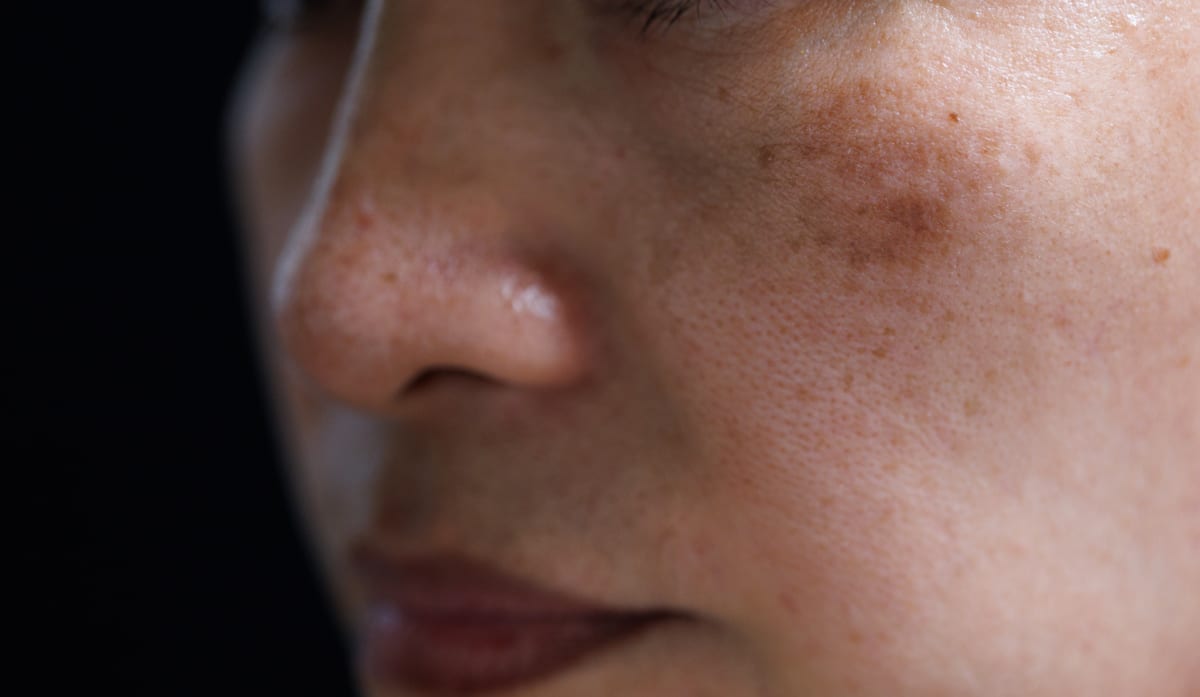
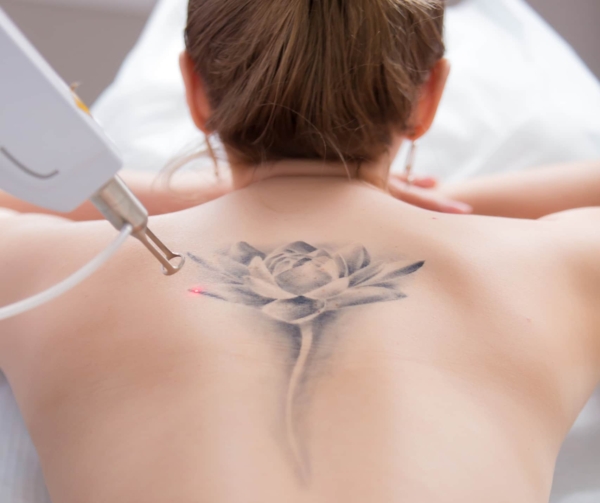
Laser treatments have gained significant popularity in recent years for their ability to address various dermatological concerns. From removing unwanted hair to reducing wrinkles and pigmentation, lasers offer effective solutions for many individuals seeking aesthetic improvements. However, like any medical procedure, laser treatments come with potential side effects, and one of the most common concerns is post-laser treatment hyperpigmentation (PHI).
Understanding Post-Laser Treatment Hyperpigmentation (PIH)
Post-laser treatment hyperpigmentation refers to the darkening of the skin that occurs after undergoing laser therapy. It typically manifests as brown or dark spots in the treated area and can be distressing for individuals seeking a smoother, more even complexion. While PIH is generally a temporary condition, it can last for weeks or even months, depending on various factors such as skin type, treatment intensity, and aftercare.
Why does PIH occur?
- Inflammatory Response: Laser treatments work by targeting specific chromophores in the skin, such as melanin (responsible for skin color), to achieve the desired effect. However, this controlled damage to the skin can trigger an inflammatory response, leading to the production of excess melanin and subsequent hyperpigmentation.
- Post-Inflammatory Hyperpigmentation (PIH): Some individuals are more prone to developing post-inflammatory hyperpigmentation, a condition where the skin produces an excessive amount of melanin in response to injury or inflammation. This predisposition can increase the likelihood of PIH after laser treatments.
- Sun Exposure: Exposure to ultraviolet (UV) radiation can worsen the appearance of PIH. UV rays stimulate melanocytes (melanin-producing cells) and can lead to further darkening of the skin, making it crucial to protect the treated area from sunlight following laser treatments.
Managing and Minimizing PIH
While post-laser treatment hyperpigmentation can be bothersome, several steps can help manage and minimize its effects:
- Consultation: Before undergoing laser treatment, consult one of our qualified laser specialists who can assess your skin type, evaluate your candidacy for the procedure, and guide you through the possible risks and benefits. They can also provide personalized recommendations to minimize the risk of PHI based on your specific circumstances.
- Pre-Treatment Preparation: Preparing the skin prior to laser treatment can help optimize results and reduce the chances of PIH. Your laser specialist will recommend avoiding sun exposure, tanning beds, and certain medications or skincare products that increase photosensitivity for a specified period before the procedure.
- Post-Treatment Care: Follow your laser specialist’s instructions for post-treatment care diligently. This may include applying prescribed topical treatments, avoiding sun exposure, and using broad-spectrum sunscreen (SPF 30 or higher) to protect the treated area. Sunscreen should be applied generously and reapplied every hour, especially when spending time outdoors.
- Gentle Skincare Routine: Adopt a gentle skincare routine during the recovery period to avoid further irritation. Use mild cleansers, moisturizers, and avoid harsh exfoliants or products that may cause excessive dryness or inflammation.
- Follow-up Appointments: Attend follow-up appointments as scheduled, allowing your skincare specialist to monitor your progress, assess any concerns, and make necessary adjustments to your treatment plan.
- Patience and Time: Remember that post-laser treatment hyperpigmentation is usually temporary. With time and proper care, the pigmented areas tend to fade naturally. It’s essential to have realistic expectations and be patient throughout the healing process.
It’s evident that post-laser treatment hyperpigmentation (PIH) can be an unwelcome side effect for individuals seeking cosmetic improvements. Understanding why it occurs and implementing appropriate measures to manage and minimize its effects can help individuals achieve optimal results from their laser treatments. By consulting with a qualified professional, adhering to pre- and post-treatment care instructions, and practicing diligent sun protection, individuals can minimize the risk of PIH and enjoy the benefits of laser therapy for their desired aesthetic goals.
Remember, each individual’s response to laser treatments may vary, and it’s crucial to seek professional advice for personalized guidance based on your unique needs and circumstances.